How to Increase Repurchase Transactions Without Increasing Ad Spend
Look, there’s a quiet lie floating around the ecommerce world. We all hear it, and most of us have believed it at some point. It sounds so logical: If sales slow down, just spend more on ads. If growth stalls, widen the funnel. If revenue dips, push harder. But here’s the reality; that mindset works right up until it doesn’t.
Think of your business like a bucket. If there’s a giant hole in the bottom, turning the faucet up to full blast isn’t growth. It’s just an expensive way to get a high water bill. At a certain point, throwing more money at Meta or Google stops being a strategy, and starts exposing a deep-seated weakness. That’s the moment you realize the problem isn’t traffic. It’s a lack of repurchase transactions.
Businesses that live and die by new customers are always paying full price for attention. They’re on a hamster wheel that never stops spinning. The brands that actually scale? They understand that repurchase transactions BUILD momentum instead of just chasing it.
They aren’t renting their audience; they own the relationship.
This isn’t about hacks. It’s about why people buy, why they stay, and how they increase repurchase transactions without increasing ad spend, by building a system that actually makes sense to the human brain.
What Repurchase Transactions Really Represent
On a spreadsheet, repurchase transactions are just a second sale. But in the real world? They represent a first date turning into a long-term relationship.
The first time someone buys from you, they’re nervous. It’s a risk. They’re wondering, Is this a scam? Will it show up on time? Is the quality actually as good as the photos? The second time someone buys from you? That stranger danger is gone. The mental effort required for repurchase transactions is almost zero because the trust is already there. Familiarity lowers resistance because the brand is no longer an unknown variable; it’s a known quantity.
This is why repurchase transactions are the ultimate health check for your business. They aren’t driven by clever persuasion, they’re driven by confidence.
When these transactions are strong, you stop being a one-off shop. You start becoming a staple in your customer’s life. You stop relying on constant noise and start benefiting from memory and habit. The Harvard Business Review backs this up in their article, The Value of Keeping the Right Customers.
The Favorite Jeans Effect: The Psychology of Buying Again
People don’t come back because you sent a witty email or a 10% off discount code. Honestly? They come back because the first time they bought from you, it worked. They realized, “Hey, I made a good choice here.”
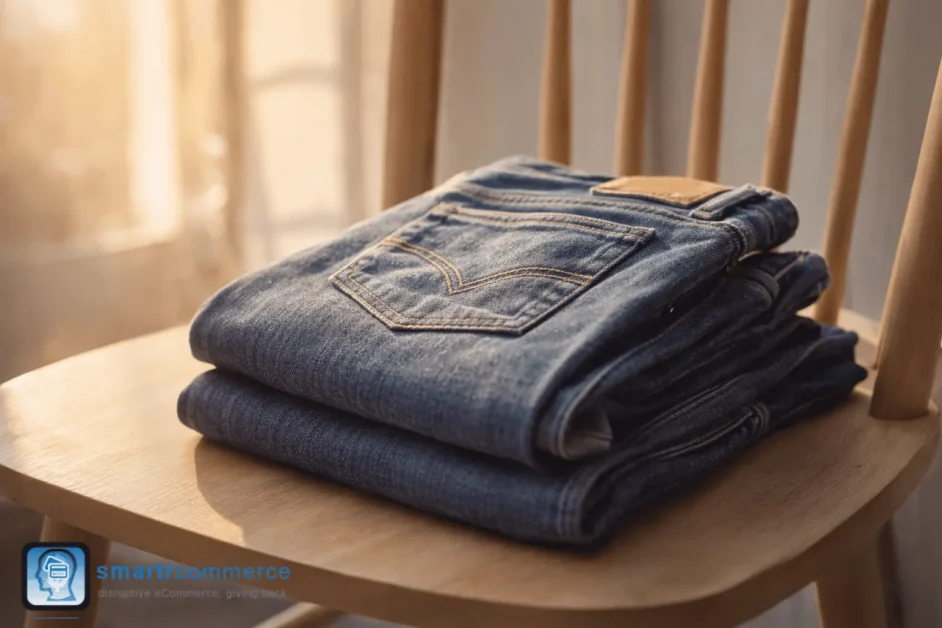
Think about your favorite pair of jeans. You know the ones I’m talking about. The ones you grab 90% of the time because they just fit. You don’t wear them because of a 10% off coupon. You wear them because they fit, they’re comfortable, and they’re a no-brainer. Period.
That’s the goal for your brand. Our brains are actually a little bit lazy (in a good way!). We naturally look for the path of least resistance. Once we find a brand that delivers, sticking with them feels safe and relieves the decision fatigue.
This is the “human” side of repurchase transactions:
- It’s a Habit: Just like grabbing those jeans, buying from you becomes a routine. They don’t shop around because they’ve already found their fit.
- It’s a No-Brainer: Psychologists call this, lowering cognitive load. It just means your customer doesn’t have to overthink. When they trust you, they just click “buy”.
- It’s a Promise Kept: Every positive experience reinforces trust. You’re proving you have their back, making future repurchase transactions feel like a sure thing.
This changes everything about growth. You don’t need to re-convince someone to like you if your system makes returning, the most obvious thing for them to do.
Why Ad Spend is a Band-Aid, Not a Cure
Let’s be honest, ad spend is often used to mask a leaky business. When repurchase transactions are low, we try to fill the gap by paying for new eyes. It works for a week or two, but it’s an expensive, fragile way to gain customers.
Ad spend is great for acquisition, but it doesn’t build memory.
If you aren’t focused on repurchase transactions, your ad budget has to do all the heavy lifting. Every single sale requires a new audience, a new click, and a new cost. As competition goes up and platforms like Google raise their prices, that pressure becomes unbearable.
Learning how to increase repurchase transactions without increasing ad spend isn’t just a marketing goal, it’s a survival strategy. If you double your repeat buys, you essentially double the value of every dollar you did spend on ads to get that customer in the door.
The Profit Math of Buying Again
Here’s the part most ecommerce blogs skip over. Repurchase transactions don’t just add a few dollars to your bank account; they fundamentally change the math of your business.
When customers buy again, their Lifetime Value (LTV) shoots up. Let me tell you, when their LTV shoots up, good things happen! You aren’t sweating your acquisition costs anymore, and now you have breathing room.
- A business without repeat buys runs ads defensively (just to stay alive).
- A business with strong repurchase transactions runs ads strategically (to scale).
Imagine two shops:
Shop A spends $20 to get a $30 sale, but the customer never comes back.
Shop B spends $20 for that same $30 sale, but they’ve mastered their repurchase transactions. That customer comes back four more times. Shop B didn’t have to pay Meta or Google a single cent for those next four sales.
Their profit doesn’t just grow; it compounds.
Why Most Businesses Ghost Their Customers
Most brands aren’t failing at repurchase transactions because they don’t care. They’re failing because they ghost their customers.
In a lot of shops, the first purchase is the finish line. Once the box ships, the relationship just… ends. Any follow-up is usually a generic, boring email sent at a random time. This is like going on a great first date, and then waiting three weeks to send a text that says ” Hey, buy me dinner again”. It’s just awkward.
To drive repurchase transactions, you need continuity. You need to know what the customer needs next, and when they need it. If someone buys a 30-day supply of coffee, emailing them on day 45 is too late. They already went to the grocery store to buy more.
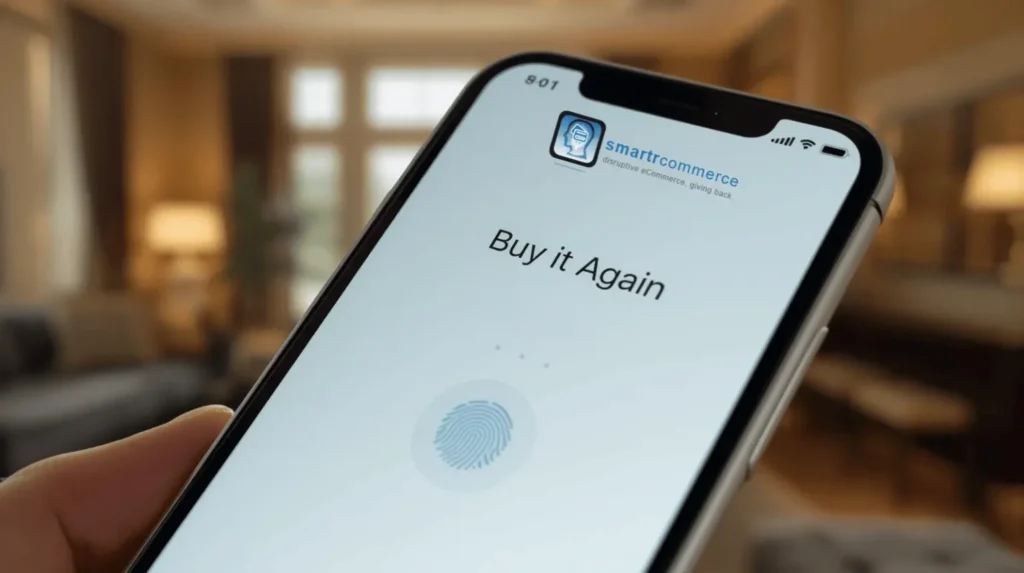
💡 Pro-Tip: Be the “Buy It Again” Button
If you want to be those “favorite jeans”, you have to be at the top of the drawer.
Look at your site and tell me, how many clicks does it take for a customer to buy the exact same thing they bought last time? If they have to search for it, or re-enter their info, you’re adding brain work.
The Fix: Add a “Buy It Again” button to your homepage or send a “Running low?” email with a direct link to a pre-filled cart. The fewer the clicks, the faster it becomes a habit.
Systems vs. The Frankenstein Tech Stack
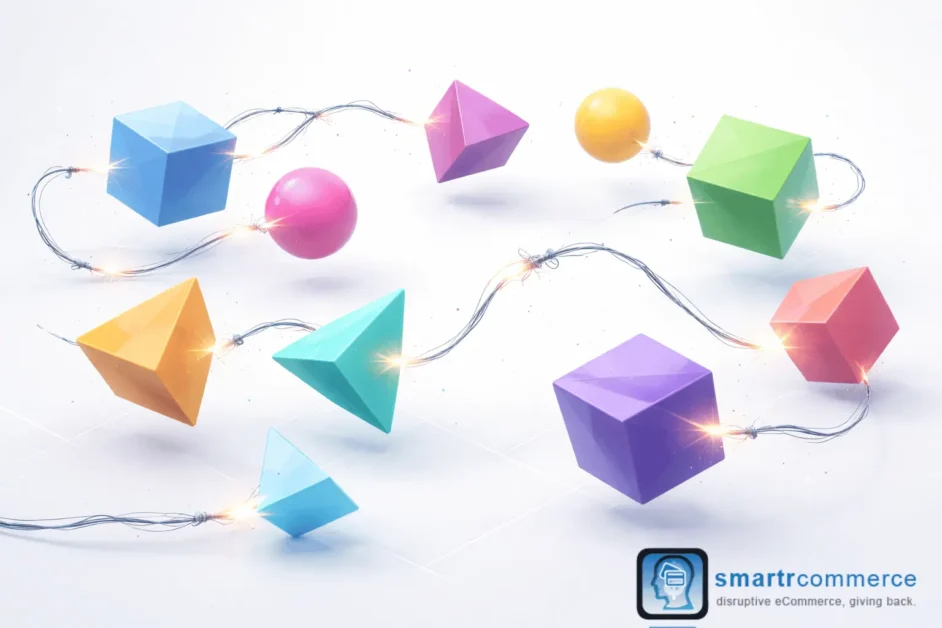
Most ecommerce stores use a Frankenstein approach. One app for emails. One for loyalty points. One for subscriptions.
The problem? They don’t talk to each other. Your data lives in silos, which means your repurchase transactions happen by accident rather than by design. You’re reacting to your customers instead of anticipating what they need.
When your tech stack is fragmented, your marketing feels loud and annoying instead of helpful. This is why a unified system matters more than a collection of random apps.
How SmartrCommerce Supports Repurchase Transactions by Design
This is where SmartrCommerce changes the game. It doesn’t treat repurchase transactions like a plugin you turn on. It treats them as the natural result of a well-structured business.
SmartrCommerce looks at the entire customer lifecycle. Instead of five different apps guessing what a customer wants, SmartrCommerce centralizes everything: purchase history, browsing behavior, and timing.
1. Mastering the Window
SmartrCommerce helps you find those “usage windows.” If the system knows a customer’s product usually lasts 60 days, it ensures you show up at day 50. This increases repurchase transactions because you’re solving a problem (running out of something) before the customer even feels the friction of needing to buy more.
2. Removing the Brain Work
Because it’s a unified system, SmartrCommerce makes the path back to your store effortless. It creates personalized, one-click paths for customers. If the brain loves the path of least resistance, SmartrCommerce makes your store that path.
3. Real Relationships, Not Guesses
When your system actually understands why someone bought something, your follow-up feels like a conversation. By centralizing data, SmartrCommerce allows you to increase repurchase transactions without increasing ad spend, because the system is doing the “re-acquisition” for you, automatically and for free.
The Question That Changes Everything
Instead of asking, “How can I get more people to see my ads?” try asking this:
“What makes the next purchase feel inevitable?”
When you answer that, repurchase transactions stop being a mystery. They become something you can measure, support, and repeat.
You don’t need a bigger ad budget to grow. You just need a better way to honor the customers you already have. By designing a system that makes returning easy, you turn your brand into those “favorite jeans” your customers grab without a second thought.
That is how you increase repurchase transactions without increasing ad spend. It’s not about pushing harder, it’s about designing smarter.
Takeaway Moment
Repurchase transactions aren’t a marketing trick; they’re the result of trust, timing, and system design.
When you understand why people return, and use a system like SmartrCommerce to support that behavior, growth stops feeling so heavy. Your revenue stops feeling fragile, and your ad spend becomes a strategic tool, instead of a desperate crutch.
That is the difference between simply selling and actually building something that lasts.
Join SmartrCommerce today and begin your journey to scale your repurchase transactions.

Christi Spruill is a growing force behind the SmartrWomen movement with an unapologetically honest and loud voice teaching women about business, professional development, and personal growth. A Mom, sister, and Gigi she writes like she lives, with faith, grit and a lot of sarcasm to keep it real. Christi reminds women that even in the chaos, purpose still calls. Her message is simple, stay real, stay rooted, and keep rising, because your story matters.
Raw. Rooted. Rising. = Unstoppable Legacy